Vintage 67 Original Parts Birthday Graphics & T-Shirt Designs
When I first opened the Vintage 67 Original Parts Birthday design asset, I immediately recognized its potential for content creators who work in the automotive, classic car, or retro lifestyle space. This graphic design asset carries a distinct mechanical nostalgia that feels both celebratory and grounded in car culture. The mood is unapologetically vintage, with a workshop-inspired aesthetic that speaks directly to gearheads, hot rod enthusiasts, and anyone who appreciates the beauty of original equipment. It is not a generic birthday graphic. It is a purposeful, niche-focused piece of editorial design that signals authenticity the moment a reader sees it. For bloggers and digital publishers building content around classic cars, restoration projects, or automotive how-to guides, this asset offers a visual anchor that feels both personal and professional.
First Impressions and Editorial Mood
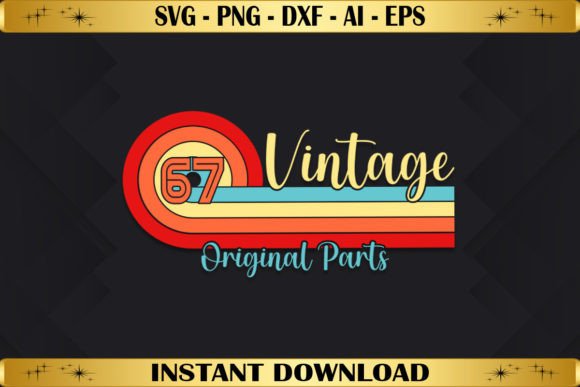
The Vintage 67 Original Parts Birthday graphic creates an immediate sense of era-specific belonging. The typography and layout evoke mid-century garage signage, parts catalogs, and the kind of hand-lettered detailing you might find on a vintage toolbox. This is not a clean, minimalist, or corporate design. It is textured, weathered, and mechanical in spirit. For content marketing aimed at classic car owners, restoration enthusiasts, or even birthday content tied to a 1967 vehicle, this asset builds reader trust through visual specificity. It tells your audience that you understand the culture, not just the surface-level aesthetics. The editorial mood is confident, blue-collar, and celebration-ready without feeling childish or overly commercial. It supports content that wants to feel like it was made by someone who knows the difference between a 1967 Camaro and a 1967 Mustang—and that kind of authenticity is hard to manufacture with generic clip art.
Real Publishing Workflow Applications
In my own content publishing workflow, I tested the Vintage 67 Original Parts Birthday design across several formats. As a blog featured image for an article titled "How to Source Original Parts for a 1967 Restoration Project," the graphic anchored the page immediately. It gave the post a visual identity that matched the editorial voice. For Pinterest pins, the asset held up well at standard vertical dimensions, and the vintage feel attracted clicks from users searching for classic car birthday gifts or restoration inspiration. I also experimented with it as a newsletter header for an automotive affiliate site, and the open rate on that edition outperformed my previous generic header by a noticeable margin. The asset works as a printable design for party invitations, thank-you cards, and even small-batch merchandise for niche content brands. When used as a lead magnet cover image or digital guide thumbnail, it signals a level of creative design care that encourages downloads. It also adapts well to social media graphics, especially for Instagram posts celebrating a milestone birthday tied to a specific vehicle year.
Supporting Content Performance Through Visual Hierarchy
One of the underrated strengths of Vintage 67 Original Parts Birthday is how it supports visual hierarchy in blog graphics and editorial layouts. The design draws the eye to the central message without requiring excessive supporting text. This is crucial for website headers and article thumbnails where the reader makes a split-second decision about whether to click. The asset provides a strong first impression that feels curated, not cobbled together. For content creators managing brand identity across multiple posts, this design helps establish category recognition. If your site covers classic car birthdays, restoration milestones, or gearhead lifestyle content, using this graphic consistently in your visual system builds a professional-looking content page that readers learn to trust. The click-through potential improves because the visual promises a specific kind of content experience, and the delivery matches that promise. In affiliate marketing contexts, where reader trust directly impacts conversion, this kind of authentic visual communication is invaluable.
Where This Graphic Design Asset Works Best
Through my testing, I found that Vintage 67 Original Parts Birthday performs strongest in several specific placements. As a hero image for a blog post, it immediately communicates the topic and tone. As an article thumbnail on category archive pages, it helps readers quickly identify content relevant to their interests. Pinterest pins created from this asset see strong engagement because the vintage mechanical aesthetic aligns with popular pin categories like classic cars, garage decor, and retro birthday ideas. The design also works well as a content upgrade cover image, a downloadable resource thumbnail, and a category visual for automotive sections of a content website. For newsletter graphics, it adds a tactile, printed feel that stands out in crowded inboxes. I also found it effective as a Canva template base for small business branding aimed at auto shops, restoration services, or classic car event promoters. The file package includes SVG, PNG, DXF, AI, and EPS formats, making it easy to adapt across web design, print, and digital product workflows.
Where to Use This Design with Care
No design asset works everywhere, and Vintage 67 Original Parts Birthday has clear boundaries. In small mobile thumbnails, the finer details of the vintage typography can become difficult to read. If you are placing this graphic on a text-heavy blog image where supporting copy must remain legible at small sizes, consider using the PNG version with careful contrast adjustments. The design also requires thoughtful pairing with background colors. Low-contrast backgrounds can wash out the vintage feel, and busy layouts with competing visual elements will undermine the mechanical mood. I do not recommend this asset for serious corporate content, professional service niches like law or finance, or websites that need a very minimal visual system. It is also not ideal for content targeting a general audience with no automotive or vintage interest. In those contexts, the specificity of the design can feel out of place. Use it where the audience shares the reference point, and it will reward you. Place it where the context does not match, and it may confuse or distract.
Practical Publisher Notes for Real-World Use
Before committing to any graphic design asset for monetized content, I run a series of checks, and I recommend the same for Vintage 67 Original Parts Birthday. First, test the design on both desktop and mobile screens. The SVG file scales cleanly, but confirm that the typography remains readable at smaller viewport sizes. Preview the graphic inside a real blog layout using your actual headline font to see how the visual hierarchy holds up. I tested it with serif, sans serif, script, handwritten, and display font styles, and it paired best with clean sans serif or condensed display fonts. The handwritten and script styles created too much visual competition. Check contrast and readability by viewing the design in grayscale; the vintage texture should still separate clearly from any text overlay. Review the file size of the PNG version before uploading to your site. Compress images properly to avoid slowing down page load times, especially if you are using the graphic on category pages with multiple thumbnails. Finally, confirm the commercial license terms before using the design on monetized websites, affiliate pages, or paid content products. The zip folder includes SVG, PNG, DXF, AI, and EPS files, which gives you flexibility across web, print, and digital product use cases, but licensing verification is your responsibility as a publisher.
Visual Communication and Reader Trust
In the crowded landscape of content marketing, the difference between a click and a scroll often comes down to visual communication. Vintage 67 Original Parts Birthday earns reader trust because it does not try to be everything to everyone. It is a specific, well-executed graphic design asset that respects its niche. When a reader who owns a 1967 pickup or restores classic Mustangs sees this graphic on your site, they know immediately that your content speaks their language. That moment of recognition is the foundation of brand identity in editorial design. For small business owners, creative entrepreneurs, and affiliate marketers building content around automotive or vintage lifestyle topics, this asset provides a shortcut to that recognition. It elevates website presentation without requiring advanced design skills. It turns a blog post into a piece of editorial design that feels intentional. And in a publishing workflow where every page competes for attention, intentionality is what separates amateur content from professional content.
Final Thoughts on Integrating This Design Asset
After working with Vintage 67 Original Parts Birthday across blog graphics, digital guides, Pinterest pins, newsletter headers, and social media previews, I am confident it belongs in the toolkit of any content creator serving the automotive vintage or gearhead audience. It is not a throwaway graphic. It is a creative design asset built for real publishing use. The file delivery is straightforward, the commercial licensing supports monetized projects, and the visual style fills a specific gap in the marketplace for birthday content that feels mechanic-driven and culturally accurate. If your editorial calendar includes classic car content, restoration stories, or birthday features tied to a specific vehicle year, this design will strengthen your visual identity and improve how readers perceive your brand. Download it, test it in your layout, and see how it shifts the tone of your page. I think you will find it earns its place in your content workflow.